
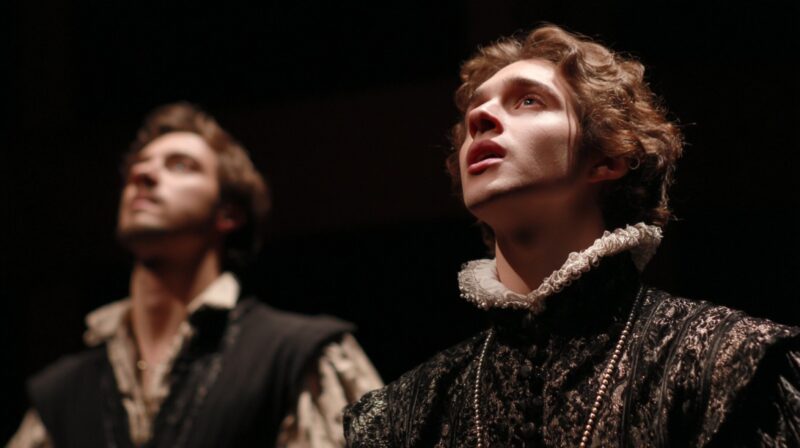
Shakespeare’s plays revolve around power struggles, betrayal, hubris, and inevitable collapse. Centuries later, those same dramatic engines continue to drive modern prestige television.
Modern dramas favor antiheroes, broken families, and moral decay, echoing the tragic frameworks Shakespeare perfected.
Corporate boardrooms, criminal empires, royal courts, and restaurant kitchens now host the same fatal flaws once found on the Elizabethan stage.
Seven acclaimed series may appear modern on the surface, yet tone, character arcs, and narrative construction reveal direct lineage to Shakespearean tragedy.
1. Succession
- Shakespearean parallel aligns directly with King Lear.
Central conflicts in this popular TV show revolve around succession, fractured inheritance, parental cruelty, and filial betrayal.
Logan Roy engineers rivalry among his children just as Lear divides his kingdom, triggering chaos disguised as competition.
Critical commentary frequently frames Logan as a Lear-like patriarch, desperate for loyalty while dismantling his own family structure. Emotional devastation drives the series, often wrapped in sharp humor that never softens the tragic core.
Kendall’s insecurity fuels addiction and self-sabotage. Roman’s arrested development prevents maturity. Shiv’s political ambition undermines personal loyalty. None achieve lasting victory, mirroring Shakespeare’s refusal to reward flawed heirs.
Failure becomes inevitable not due to lack of opportunity, but due to character defects that sabotage every attempt at control.
2. The Bear
@momopeach02 Exit pursued by The Bear #thebear #shakespeare #jeremyallenwhite #ayoedebiri #television #foryou #fyp @ayo ♬ original sound – Momo 미홍 Burns-Min 🍉
- Shakespearean parallel draws interpretive strength from Macbeth.
Obsessive ambition dominates Carmy’s leadership style. Perfection replaces balance. Control replaces trust. Each success escalates internal collapse.
Carmy’s fixation on excellence mirrors Macbeth’s pursuit of power, driven less by necessity and more by compulsion. Emotional unraveling accelerates as responsibility increases, echoing a tragic descent shaped by pressure and guilt.
Sydney operates as a moral counterweight, resembling Banquo through restraint and conscience. Stability exists nearby, yet remains ignored.
Isolation marks the tragic outcome. Greatness costs connection, leaving Carmy trapped inside ambition rather than fulfilled by it.
3. Breaking Bad
- Shakespearean parallel connects directly to Macbeth.
Walter White enters the story craving dignity, control, and validation rather than wealth alone.
Terminal illness sparks urgency, yet pride fuels every later choice. Authority gained through criminal success reshapes identity, turning a cautious chemist into a tyrant convinced of his own brilliance.
Moral decay accelerates through rationalization. Each crime feels justified by family needs until violence becomes a strategy rather than an accident. Early guilt surfaces after the first kills, then recedes as domination replaces fear.
Brutality escalates alongside confidence, mirroring Macbeth’s shift after seizing the crown.
Point-of-no-return moments stack relentlessly. Refusal to surrender power matters more than survival, loyalty, or love. Hubris defines the fatal flaw, dismantling marriage, endangering children, and erasing ethical limits.
Tragedy unfolds not through ambition itself, but through the inability to abandon power once it takes hold. Breaking Bad is easily among the most influential TV shows of all time.
4. Sons of Anarchy
- Shakespearean parallel centers on Hamlet.
Jax Teller functions as a modern tragic prince. A murdered father lingers through journals and ideals. A mother aligns herself with a man who benefits from that death. Questions of vengeance clash with desire for moral clarity.
Internal conflict dominates each decision. Loyalty to outlaw tradition contradicts visions of reform. Violence promises resolution yet deepens chaos.
Delays driven by reflection mirror Hamlet’s paralysis, allowing corruption to spread unchecked.
Bloodshed escalates through indecision rather than cruelty. Attempts to balance honor and restraint collapse under pressure.
Recognition arrives too late, followed by acceptance of doom. Jax’s end reflects Hamlet’s final clarity that escape no longer exists once action waits too long.
5. Game of Thrones
- Shakespearean parallels span Macbeth, Richard III, King Lear, and Henry VI.
Ambition fuels nearly every narrative thread. Prophecy tempts rulers into ruin. Civil war shatters families while power reshapes morality. Personal desire and political necessity collide constantly.
Cersei embodies Lady Macbeth through calculated ruthlessness and hunger for control. Littlefinger mirrors Richard III’s manipulative ascent built on deception and betrayal.
Daenerys follows a Macbeth-style collapse as conquest erodes empathy and restraint. Jaime begins with honorable intent, yet consequences betray every attempt at redemption.
Tragedy emerges through accumulation rather than isolated downfall. Betrayal multiplies. Bloodlines collapse. Ambition guarantees destruction across kingdoms, echoing Shakespeare’s blood-soaked histories where victory rarely survives the victor.
6. Yellowjackets
- Shakespearean parallels intersect The Tempest and Macbeth.
Isolation fractures social order quickly. Survival pressure shifts authority without warning. Fear replaces structure. Supernatural suggestion blurs psychology and belief.
Crash survivors resemble castaways reshaped by exile, much like Prospero’s island reshapes its inhabitants. Wilderness functions as both stage and antagonist. Paranoia intensifies through visions, rituals, and perceived omens, recalling Macbeth’s hallucinations and unraveling grip on reality.
Trauma generates monsters internally and externally. Moral boundaries erode under desperation. Transformation becomes permanent, reframing survival as spiritual collapse rather than triumph.
7. The Great
View this post on Instagram
- Shakespearean parallel reflects Romeo and Juliet.
Catherine and Peter exist as star-crossed lovers constrained by politics, ego, and cruelty. Affection develops honestly despite constant contradiction. Love thrives briefly within hostility.
Satire masks inevitability rather than erasing it. Humor sharpens emotional impact, allowing tragedy to land harder. Peter’s sudden death disrupts comedic rhythm, replacing laughter with shock and grief.
Connection feels sincere yet unsustainable. Fate asserts itself through irony and excess. Tragic structure persists even as tone remains playful, proving romance collapses just as surely amid jokes as amid swords.
Despite the fact that the show suffered criticism for the lack of historical accuracy, we can see that it, nevertheless, achieved significant success.
Summary
Shakespeare’s core themes remain unchanged. Ambition corrupts. Betrayal destroys trust. Power accelerates downfall. Fate punishes flawed heroes.
Modern television repackages these tragedies inside meth labs, boardrooms, biker gangs, royal courts, and kitchens. Character flaws still drive collapse with brutal precision.
Shakespearean tragedy survives not through imitation, but through repetition of human failure. Flawed characters rise, fall, and destroy everything they touch, proving timeless storytelling never needed crowns or castles to endure.